
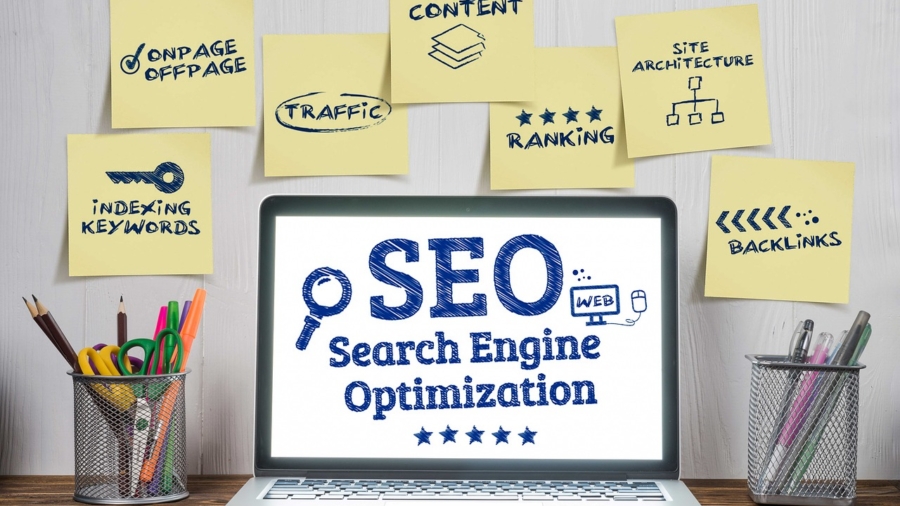
Role of SEO in Digital Marketing
Search Engine Optimization (SEO) plays a central role in digital marketing by improving a website’s visibility on search engines like Google. In today’s competitive online environment, businesses cannot rely only on paid ads or social media. SEO helps attract organic traffic, build credibility, and generate long-term results.
What Is SEO in Digital Marketing?
SEO in digital marketing refers to the process of optimizing a website so that it ranks higher in search engine results pages (SERPs). The goal is to increase organic (non-paid) traffic by making the website more relevant, trustworthy, and user-friendly.
Why SEO Matters in Online Marketing
SEO matters because most online experiences start with a search engine. If your website does not appear on the first page of Google, potential customers are likely to choose your competitors instead.
Importance of SEO in Digital Marketing Strategy
SEO is not a standalone tactic; it is a core part of any successful digital marketing strategy.
Long-Term and Cost-Effective Results
Unlike paid advertising, SEO provides long-term results. Once your website ranks well, it can continue generating traffic without ongoing ad spend.
Sustainable Growth Through Organic Traffic
Organic traffic gained through SEO is more sustainable and trustworthy compared to paid traffic.
Builds Brand Credibility and Trust
Websites that rank on the first page of search engines are often perceived as more credible and authoritative by users.
Higher Rankings Improve Brand Authority
Strong SEO signals such as quality content and backlinks help build brand authority over time.
Key Components of SEO in Digital Marketing
SEO consists of multiple components that work together to improve search visibility.
On-Page SEO
On-page SEO focuses on optimizing elements within your website.
Content Optimization
High-quality, keyword-optimized content helps search engines understand your pages.
Use of Headings and Keywords
Proper use of H1, H2, and H3 headings improves readability and SEO performance.
Off-Page SEO
Off-page SEO involves activities outside your website.
Link Building
Backlinks from authoritative websites signal trust and improve rankings.
Technical SEO
Technical SEO ensures that search engines can crawl and index your website properly.
Website Speed and Mobile Optimization
Fast loading speed and mobile-friendly design are critical ranking factors.
Role of SEO in Driving Targeted Traffic
SEO helps attract users who are actively searching for your products or services.
Keyword Research and Search Intent
Targeting the right keywords ensures that your content reaches the right audience.
Informational vs Commercial Keywords
Understanding user intent helps convert visitors into customers.
SEO vs Other Digital Marketing Channels
SEO works best when combined with other digital marketing channels.
SEO and Content Marketing
Content marketing supports SEO by providing valuable, optimized content.
SEO and Paid Advertising
Paid ads deliver quick results, while SEO ensures long-term visibility.
Future of SEO in Digital Marketing
SEO is constantly evolving with search engine algorithm updates.
Role of AI and Voice Search
AI-driven search and voice queries are shaping modern SEO strategies.
User Experience as a Ranking Factor
Search engines prioritize websites that offer a better user experience.
Conclusion
The role of SEO in digital marketing is vital for online success. It increases visibility, builds trust, drives targeted traffic, and supports long-term growth. Businesses that invest in SEO gain a competitive advantage in the digital marketplace.
Frequently Asked Questions (FAQs)
What is the main role of SEO in digital marketing?
The main role of SEO is to improve a website’s visibility in search engines and attract organic traffic.
Is SEO better than paid advertising?
SEO is better for long-term growth, while paid advertising is useful for quick results. Both work best together.
How long does SEO take to show results?
SEO typically takes 3 to 6 months to show noticeable results, depending on competition and strategy.
Can small businesses benefit from SEO?
Yes, SEO is highly beneficial for small businesses because it provides cost-effective and targeted traffic.
Is SEO still relevant in 2026?
Yes, SEO remains a critical part of digital marketing and continues to evolve with technology and user behavior.